Search results for 'wax and resin'
-
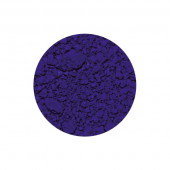
Ultramarine PB29 Pigment
Starting at: £9.10
PB29
Ultramarine Blue is an artificial mineral pigment that is produced by heating clay, soda, sulphur and coal to high temperatures. Its name comes from outremer, or over-the-sea, as a reference to the highly-prized Lapis Lazuli pigment which had been imported into Europe from Afghanistan since the Middle Ages. First manufactured in France and Germany in 1828, synthetic Ultramarine provided a brilliant and affordable blue to artists, and it remains one of the most popular blues on artists' palettes today.
It is a transparent pigment, with a high tinting strength and excellent lightfastness. It reacts to alkali, therefore it is not suitable for use in lime-fresco; we do offer a Limeproof Ultramarine Blue for this purpose. It is stable in all other media, although it can be tricky to grind in oil. Instead of creating a thick, buttery paste, it can remain stringy and deteriorate when stored in a tube. To correct this, many commercial paint manufacturers include additives and waxes in their recipes; if you intend on grinding your own paint, you could try replacing 10-15% of your Linseed Oil with Poppy Oil to improve the consistency. Ultramine Blue provides a slow-drying, fairly hard paint film, which can tend towards brittleness.
Toxicity: B/C
Learn More -
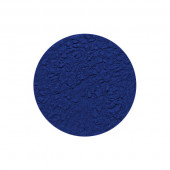
Ultramarine Blue Light Pigment
Starting at: £5.30
PB29
Ultramarine Blue Light is an artificial mineral pigment that is produced by heating clay, soda, sulphur and coal to high temperatures. Its name comes from outremer, or over-the-sea, as a reference to the highly-prized Lapis Lazuli pigment which had been imported into Europe from Afghanistan since the Middle Ages. First manufactured in France and Germany in 1828, synthetic Ultramarine provided a brilliant and affordable blue to artists, and it remains one of the most popular blues on artists' palettes today.
It is a transparent pigment, with a high tinting strength and excellent lightfastness. It reacts to alkali, therefore it is not suitable for use in lime-fresco; we do offer a Limeproof Ultramarine Blue for this purpose. It is stable in all other media, although it can be tricky to grind in oil. Instead of creating a thick, buttery paste, it can remain stringy and deteriorate when stored in a tube. To correct this, many commercial paint manufacturers include additives and waxes in their recipes; if you intend on grinding your own paint, you could try replacing 10-15% of your Linseed Oil with Poppy Oil to improve the consistency. Ultramine Blue provides a slow-drying, fairly hard paint film, which can tend towards brittleness.
Toxicity B
Learn More -
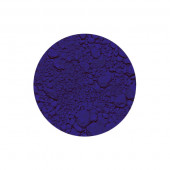
Ultramarine Blue Limewash Pigment
Starting at: £6.30
PB29
Ultramarine Blue Limewash is an artificial mineral pigment that is produced by heating clay, soda, sulphur and coal to high temperatures. Its name comes from outremer, or over-the-sea, as a reference to the highly-prized Lapis Lazuli pigment which had been imported into Europe from Afghanistan since the Middle Ages. First manufactured in France and Germany in 1828, synthetic Ultramarine provided a brilliant and affordable blue to artists, and it remains one of the most popular blues on artists' palettes today.
It is a transparent pigment, with a high tinting strength and excellent lightfastness. Most Ultramarine colours It react to alkali and are therefore unsuitable for use in lime-fresco; Limeproof Ultramarine Blue remedies this problem. It is stable in all other media, although it can be tricky to grind in oil. Instead of creating a thick, buttery paste, it can remain stringy and deteriorate when stored in a tube. To correct this, many commercial paint manufacturers include additives and waxes in their recipes; if you intend on grinding your own paint, you could try replacing 10-15% of your Linseed Oil with Poppy Oil to improve the consistency. Ultramine Blue provides a slow-drying, fairly hard paint film, which can tend towards brittleness.
Toxicity: B
Learn More -
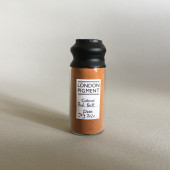
London Red Brick Pigment
£12.00Call to Order
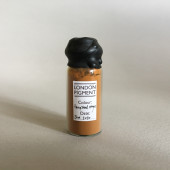
Made from pulverised historic London bricks collected from the foreshore of the Thames near Tower Bridge and Wapping this deep red pigment is essentially a variety of red ochre. During the Victorian era, London Clay was dug up and fired on construction sites to produce the building materials for the city. Red brick pigment has a medium grain size and is opaque. Learn More
-
Hampstead Heath Orange Pigment
£12.00Call to Order
A beautifully bright and transparent orange, this ochre is particularly good for glazes. It has been sourced from the banks of the river Fleet, a tributary of the river Thames. This pigment has a fine grain size.
Follow @londonpigment on Instagram for an insight into the stories behind the colours and how she makes them.
NOTE: many of these colours are made in extrmely limited batches so please email us at info@cornelissen.com for further infomation on what is currently availible.
Learn More -
Georgian Yellow Brick Pigment
£12.00Call to Order
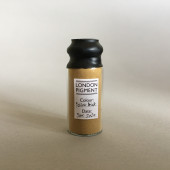
This warm earthy yellow is made from yellow bricks the quintessential London ‘stock brick’ which was in use during the 18th and 19th centuries. This pigment has a medium grain size and is transparent. Learn More
-
Mud Lark Verdigris Pigment
£18.00Call to Order
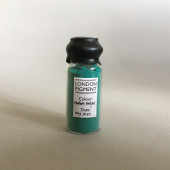
Made to a historical recipe, this Verdigris is made from Victorian copper scraps from the foreshore of the Thames in Tilbury, London and reacted with vinegar. This rich green is a translucent pigment with a fine grain. Learn More