

Search results for 'painting'


-
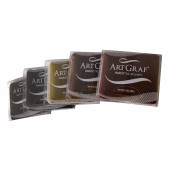
ArtGraf Traditional Tailor Shape Colours
Starting at: £5.80
Inspired by traditional tailor’s chalk block, prepared for drawing and painting. Water soluble and extremely soft, choice of 6 traditional earth colours: sanguine, sepia, dark brown, brown, ochre and carbon black. Learn More -
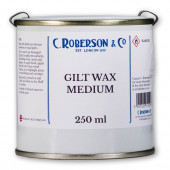
Roberson Gilt Wax Medium
Starting at: £12.00
To use as a medium, mix with burnishable bronze powders in equal parts. Or use to protect imitation leaf, metal, wood, furniture and paintings. Learn More -
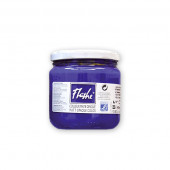
Lefranc Flashe 400 ml
Starting at: £28.10
* Please be advised that some colours have now been discontinued and are only available while stocks last. Flash vinyl colours, like resin-based acrylic paints, can be diluted with water, dry very quickly and become insoluble once dry providing lasting flexibility and excellent preservation. They have an even matt finish which recalls primitive Italian fresco painting. This makes Flashe the ideal medium for all artworks to be photographed. Also popular for illustration, graphics, comics, model making, fresco and interior mural decoration. Learn More -
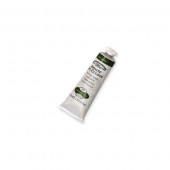
Winsor & Newton Artists' Oil Colour 37 ml
Starting at: £8.90
This long established artists' quality oil colour range of 113 colours is well known for its firm consistency and excellent handling properties. Learn More -
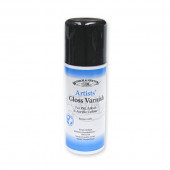
Winsor & Newton Retouching Varnish Aerosol
Starting at: £16.10
Temporary protection for oil paintings less than 6 months old. Contains: Ketone resin. Unable to send overseas. Learn More -

Roberson CRP Picture Cleaner
Starting at: £12.40
Cleansing/Reviving/Preserving wax paste for oil paintings, sculptures, any painted & polished surfaces except drawings, water colours or pastels. Learn More -
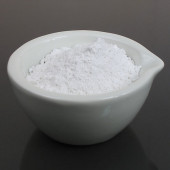
Precipitate Chalk
Starting at: £6.30
Precipitate Chalk is fine and white. For use in aqueous mediums as a ground for oil and tempera paintings. Learn More -
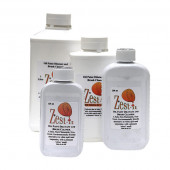
Zest-it Turpentine Substitute
Starting at: £7.40
Specially formulated non-toxic alternative to conventional thinners. Can be used as a substitute for turpentine. Ideal for asthmatics and those allergic to normal thinners. Reduces lingering smell normally generated by oil painting, has a citrus fragrance. Learn More -
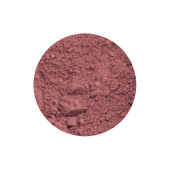
Madder Lake Genuine Pigment
Starting at: £10.20
NR9
Madder Lake pigment is derived from dye that has been extracted from the root of the madder plant, and attached to alum as a base. It has largely been replaced by synthetic alizarin pigments, but it is still used as an ingredient in some commercially-available paints. It provides a very transparent pigment, with a weak tinting strength, which can be used in all lime-free media, although it is very slow-drying in oil. It is fugitive to sunlight, so paintings containing Madder should be stored appropriately, but it remains one of the most lightfast plant-based pigments. It requires a wetting agent to aid dispersion.
Larger quantities are available by request
Learn More -
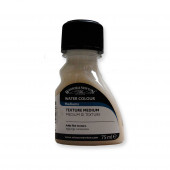
Winsor & Newton Texture Medium
Starting at: £8.10
Contains fine particles and is used to create the impression of depth and structure to watercolour paintings. Learn More
-
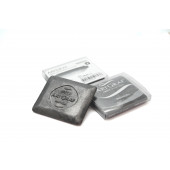
ArtGraf Graphite Tailor shape
£5.80Inspired by traditional tailor’s chalk block, prepared for drawing and painting. Water soluble and extremely soft. Learn More -
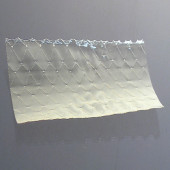
Gelatine Leaf
Starting at: £5.30
A pure form of glue from animal tissue. Used for sizing paper. Used in gliding and for weak sizes in isolating layers in tempera painting. Learn More -
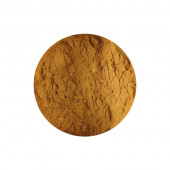
Realgar Pigment
Starting at: £12.75
Realgar, like Orpiment, is sulphide of arsenic, and these two substances are often found in close proximity to each other in nature. Realgar exists in small deposits throughout the world and has been used for its colour since ancient times, although its extreme toxicity means that it has been superseded by cadmiums in modern painting. It is an opaque pigment with poor tinting strength.
Larger quantities are available by request.
Learn More -
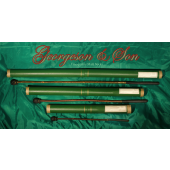
Georgeson & Son Mahl Sticks
Starting at: £22.00
Each Hazel shaft used in the creation of our Mahl poles is individually selected for straightness and overall appearance before being dried and prepared. We use hazel for strength, weight, and the appearance of its rich brown bark when linseed is applied.
Our pommels and handles are made from a stock of fine Italian leather, used for its durability and flex during assembly.
"Georgeson and Son established in 2012 with a singular aim. To resurrect and manufacture forgotten Artist's tools by hand, as carefully and as beautifully as possible.
A desire to make useful things that will last underpins all that we do. We use only the finest quality materials, sustainably sourced and refuse to compromise this quality for the sake of profitability."
Learn More -
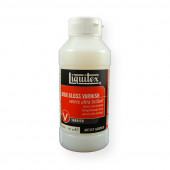
Liquitex Acrylic Varnish High Gloss
Starting at: £39.50
Use as varnish over finished paintings. Learn More -

da Vinci Series 1875 Nova Filbert
Starting at: £3.25
Long handled synthetic brush for acrylic or oil painting. Soft bristles. Learn More -
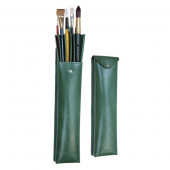
Leather Regent Long Handle Brush Case
Starting at: £95.00
Call to Order
This sturdy brush case measures 39cm, which is long enough to hold a selection of oil-painting brushes. All of our leather goods are handmade in Spain, and dyed with natural dyes that will fade and age beautifully over time. Please ring our office if you would like to make a custom order of this product.
Learn More -
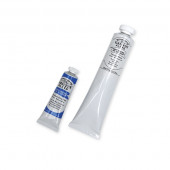
Winsor & Newton Griffin Alkyd Oil Colour
Starting at: £5.95
Artist quality range of 50 colours made from pigments bound in an oil modified alkyd resin. The main advantage of the Griffin Alkyd range is speed of drying - about 24 hours. Ideal for under painting. Compatible with traditional oils. Learn More -

Gum Arabic
Starting at: £4.25
Gum Arabic is a resoluble binding agent, commonly used in the preparation of watercolours, but also useful as an adhesive, a size, and in the production of soft pastels. It is a natural product, harvested from the Acacia tree between October and May. The highest grade of Gum Arabic comes from the Kordofan region of Sudan. It is exceptionally pale and pure and therefore particularly suited to watercolour painting, while Nigerian Gum Arabic (while stocks last) is better suited to stone lithography and other printmaking techniques. Please see the Formulas & Recipes section on our homepage for a recipe to make your own watercolour paints using Gum Arabic (currently under construction). Learn More -
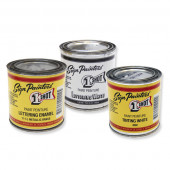
One Shot Lettering Enamel Paint
Starting at: £13.65
Designed for traditional sign painting, these oil based lettering enamels provide superior vibrancy, flexibility, durability, and single stroke coverage. Specified for fine, sign paint lettering on store fronts and vehicles, the vibrant colours of 1 Shot Lettering Enamels spread evenly and offer outstanding hiding, durability and fade resistance. Superior flow characteristics assure the virtual absence of brush marks and provide a clean, sharp edge. Ideal for use on interior or exterior metal, glass, wood, and enamel receptive banners and vinyl. Learn More -
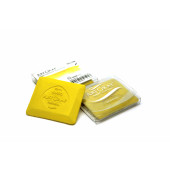
ArtGraf Yellow Tailor shape
£5.80Inspired by traditional tailor’s chalk block, prepared for drawing and painting. Water soluble and extremely soft. Learn More -
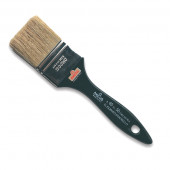
Omega Series 40 Varnish
Starting at: £6.20
Flat soft hog hair in cupro-nickel ferrule on short flat handle used for applying varnish to both oil and acrylic paintings. Also recommended for applying warm glue size and primers to all surfaces. Learn More -
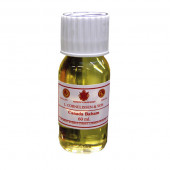
Cornelissen Canada Balsam
Starting at: £20.10
Canada Balsam is an oleoresin, meaning that it is a mixture of essential oils and resin. It comes from the fir tree Abies balsamea, native to Canada and the eastern states of North America. It is notable for its pale colour, clarity and gloss, making it a useful ingredient in recipes for oil-painting mediums.
Learn More -
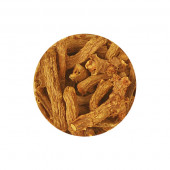
Madder Root Pieces
Starting at: £27.80
NR9
The madder plant was once widely cultivated for the red dye extracted from its roots. Its earliest known use is in ancient Egypt, and there is evidence of its widespread adoption in Europe from the medieval period. Madder Lake, the pigment that is derived from the root, has now largely been replaced by synthetic alizarin pigments, but it is still used as an ingredient in some commercial paints. It provides a very transparent pigment, with a weak tinting strength, which can be used in all lime-free media, although it is very slow-drying in oil. It is fugitive to sunlight, so paintings containing Madder should be stored appropriately, but it remains one of the most lightfast plant-based pigments.
Larger quantities are available by request.
Learn More -
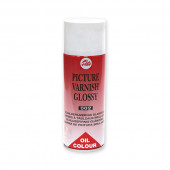
Talens Picture Varnishes Aerosol
Starting at: £13.00
Aerosol varnish for oil paintings. Gloss or Matt finishes. Unable to send overseas. Learn More -
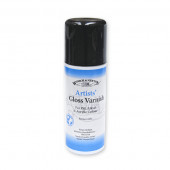
Winsor & Newton Picture Varnish Aerosol
Starting at: £16.10
Aerosol varnish for oil and acrylic paintings. Gloss, Satin or Matt finishes. Contains: Ketone resin, UV blockers. Unable to send overseas. Learn More -

Renaissance Wax
Starting at: £8.75
Used by restoration specialists to revive and protect furniture, leather, paintings, metals etc. Freshens colours, imparts soft sheen. Very long shelf life. (approx 20 years) as long as it is not exposed to heat. Learn More -
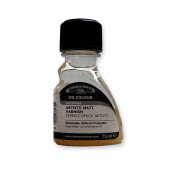
Winsor & Newton Artists' Matt Varnish
Starting at: £8.05
Ketone resin/silica/white spirit. Pale translucent liquid dries quickly to matt film. Can be mixed with Gloss Varnish to alter finish. Not suitable for highly absorbant cracked paintings. Learn More -
Button Shellac
Starting at: £8.40
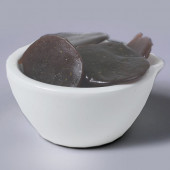
Shellac is a natural resin that is deposited by the female lac insect on the branches of trees in India and Thailand. It is soluble with alcohol, but not with mineral spirits or turpentine. It forms a tough yet flexible film, with many applications. It is suitable as a top coat for gilding when applied thinly, a sealant for porous surfaces, an isolating layer for tempera paintings, a base for pigmented inks, a protective layer for collograph plates, and a warm varnish for wooden floors and furniture. As it is prone to darkening with age, it is not recommended as a varnish for oils, and its solubility can reduce over time. There are various grades of shellac. When mixed with alcohol, it may initially form a cloudy mixture, due to traces of wax in the shellac, but this should become clear once it has dried. The highest grades of shellac are Clear Dewaxed Shellac, which has been de-coloured using the carbon filtering method, Lemon Shellac, and Orange Shellac, which are pale in colour. Button Shellac is less refined and therefore produces a reddish varnish. It was, in fact, widely used as a red dye before synthetic dyes became available. Learn More -
ArtGraf White Tailor shape
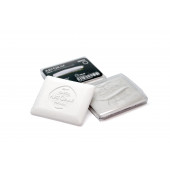
£5.80Inspired by traditional tailor’s chalk block, prepared for drawing and painting. Water soluble and extremely soft. Learn More
Shopping Options
- Category
-
- Pigments, Gums & Resins (40)
- Oils & Acrylics (62)
- Canvas & Supports (2)
- Watercolour (15)
- Pastels (3)
- Drawing / Calligraphy (13)
- Gilding & Restoration (6)
- Printmaking (4)
- Brushes (34)
- Paper (5)
- Studio (14)
- Specialist Decorating (3)
- Manufacturer
-
- Arches Aquarelle (1)
- ArtGraf (8)
- Bockingford (1)
- Cornelissen (52)
- Da Vinci (13)
- Daler-Rowney (3)
- Daniel Smith (5)
- Gamblin (7)
- Khadi (2)
- Lascaux (4)
- Lefranc et Bourgeois (8)
- Liquitex (5)
- London Pigment (4)
- Maimeri (1)
- Omega (8)
- Roberson (26)
- Schmincke (12)
- Spectrum (2)
- Winsor&Newton (8)
- Zest-It (2)
- Talens (3)
You have no items in your shopping basket.

- Search Brands
-