

Search results for 'Earth Pigments'


-
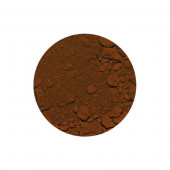
Mars Red Pigment
Starting at: £4.50
PR101
Mars Red is an artificial mineral pigment. Its pigment code, PR101, refers to a wide spectrum of synthetic iron oxide pigments including yellows, oranges, reds, violet-browns and green-browns, which replace many natural earth colours to provide pigments without impurities and with great opacity. It has a good tinting strength, is lightfast and stable in all media, and has a medium drying time in oil.
Toxicity: B
Limeproof
Learn More -
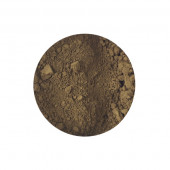
Burnt Umber Pigment
Starting at: £4.00
PBr7
Burnt Umber is a natural earth pigment from Italy, composed of iron oxide, manganese, and aluminium silicate. It is a form of Raw Umber that a has undergone a process of calcination, becoming warmer, more transparent and easier to disperse. It has a good tinting strength, and is very lightfast, quick-drying, and stable in all media. In oils it forms a hard, fairly flexible paint film, though it may be difficult to use in acrylic mediums.
Toxicity: B
Learn More -
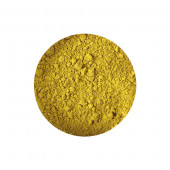
Yellow Ochre Pigment
Starting at: £4.00
PY43
Yellow Ochre is a natural earth pigment that has been in use since prehistoric times. It is derived from iron-rich clay deposits that are present all over the world; our Yellow Ochre comes from the hilly regions around Verona, Italy. As a pigment, it is semi-opaque, extremely lightfast, and stable in all media. It has a medium to slow drying rate in oil, creating a tough, flexible paint film. Yellow Ochre is similar in composition to Raw Sienna, but whereas Yellow Ochre contains a higher proportion of clay, Raw Sienna contains a higher proportion of silica. As a natural material, the exact colour and qualities of the resultant pigments can vary, but generally this compositional difference creates a paler, more opaque Yellow Ochre, and a darker, more transparent Raw Sienna.
Toxicity B
Learn More -
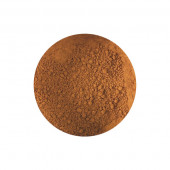
Burnt Sienna Pigment
Starting at: £4.00
PBr7
Burnt Sienna is a natural earth pigment that has been in use since antiquity. Our Burnt Sienna comes from Tuscany, and is produced by calcining Raw Sienna to temperatures of about 450 degrees Celsius. This process creates a rich warm colour and increases transparency. It also offers a good tinting strength, excellent lightfastness, and a fast to medium drying rate in oil. It is stable in all media but, like umber pigments, may be difficult to disperse in acrylic binders.
Toxicity B
Learn More -
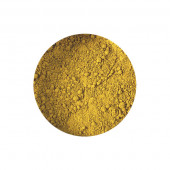
Raw Sienna Pigment
Starting at: £4.00
PBr7
Raw Sienna is a natural earth pigment that dates back to antiquity. Our Raw Sienna comes from areas of Tuscany where the earth has been coloured by iron-rich minerals. It provides a good tinting strength, excellent lightfastness, and a fast to medium drying rate in oil. It is stable in all media but, like umber pigments, can be difficult to disperse in an acrylic binder. It is similar in composition to Yellow Ochre, but whereas Yellow Ochre contains a higher proportion of clay, Raw Sienna contains a higher proportion of silica. As a natural material, the exact colour and qualities of the resultant pigments can vary, but generally this difference creates a paler, more opaque Yellow Ochre, and a darker, more transparent Raw Sienna.
Toxicity: B
Learn More -
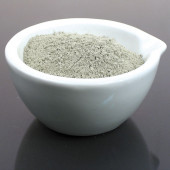
Fullers Earth
Starting at: £6.30
Fullers Earth is used to remove plant debris and other impurities from cold-pressed linseed oil, as its large particle size and unusual shape attracts unwanted matter and pulls it down, away from the surface of the oil. Our Fullers earth consist sly of Bentonite.
Learn More -
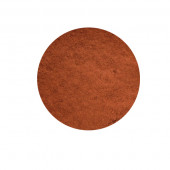
Burnt Green Earth Pigment
Starting at: £8.00
PG23 Burnt Green Earth is a semi-transparent pigment that is stable in all media, although it may be difficult to incorporate into an acrylic binder. A calcined form of Green Earth, it has a low tinting strength, long drying time, and is very lightfast. Toxicity: B Limeproof Learn More -
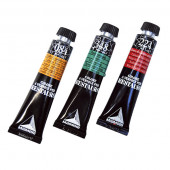
Maimeri Restoration Colours
Starting at: £15.75
Call to Order
33 colours for restoration. Pigments, mastic resin and turpentine. Learn More -
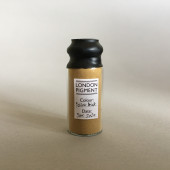
Georgian Yellow Brick Pigment
£12.00Call to Order
This warm earthy yellow is made from yellow bricks the quintessential London ‘stock brick’ which was in use during the 18th and 19th centuries. This pigment has a medium grain size and is transparent. Learn More
Shopping Options
- Category
-
- Pigments, Gums & Resins (23)
- Oils & Acrylics (4)
- Watercolour (6)
- Pastels (3)
- Drawing / Calligraphy (2)
- Studio (1)
- Manufacturer
-
- Cornelissen (22)
- Daniel Smith (2)
- Faber-Castell (1)
- Gamblin (2)
- Lefranc et Bourgeois (1)
- London Pigment (1)
- Maimeri (1)
- Roberson (1)
- Schmincke (6)
- Sennelier (2)
You have no items in your shopping basket.

- Search Brands
-