

Search results for 'yellow'


-

Cadmium Green Pigment
Starting at: £4.50
Cadmium Green is an artificial mineral pigment, a mixture of Cobalt and Cadmium Yellow. It is an opaque, lightfast, slow-drying pigment with a high tinting strength.
Toxicity C
Learn More -
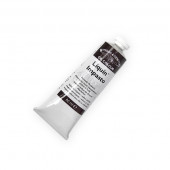
Winsor & Newton Liquin Impasto
Starting at: £10.25
From the Winsor & Newton website: A quick drying, semi-gloss medium which thickens slowly and extends tube colour retaining crisp textures brush marks without any visible levelling. Speeds drying (touch dry in 1-6 days depending on colour and film thickness). Resists yellowing. Not suitable as a varnish or final coat.
Learn More -
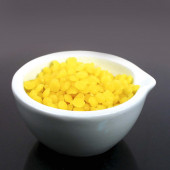
Natural Beeswax
Starting at: £11.20
Beeswax is derived from melted honeycomb, and is available in two grades. Bleached Beeswax Pellets are white, having been bleached by the sun, and are an appropriate choice for using with pale colours, although they may revert to yellow over time. Natural Beeswax Pellets are yellow in colour, and offer a more flexible structure with a higher resin content. Beeswax has a melting point of 63-66°c, and may turn brown if over-heated. It is the most widely used wax in artists' materials, having a wide range of applications. Please see below for more details.
Learn More -

Lefranc Retouching Varnish Extra Fine
Starting at: £7.80
Acrylic resin/quick drying petroleum. Colourless and non-yellowing. Allows you to touch up ols paintings. Temporary and insulating varnish. Satin finish. Learn More -
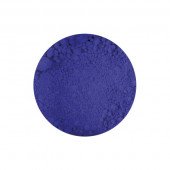
Cobalt Blue Pigment
Starting at: £6.30
PB28
Cobalt Blue is an artificial mineral pigment, produced by the calcination of cobalt oxide and aluminium oxide. It has been widely used since the early 1800s, following its discovery by the French chemist Thenard at the beginning of the century. The name Cobalt has its roots in the German word Kobold, meaning imp or evil spirit. German miners named it to in the late-Middle Ages, as the presence of cobalt ore in the mines made the extraction of silver more difficult. They were possibly also aware of the toxic properties of the mineral that was frustrating their efforts.
Cobalt remains a very popular colour today, and is present in most ranges of paints, being a semi-transparent pigment that is stable in all media. As a watercolour, all cobalt pigments tend to granulate. As an oil paint, it requires less oil content than most other pigments, and dries quite quickly. Like Cerulean Blue, some artists may choose to bind it with poppy oil, to avoid any possible colour changes brought about by the yellowish cast of linseed oil and the pigment's weak tinting strength.
Limeproof
Toxicity: C
Learn More -
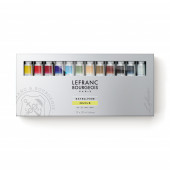
Lefranc & Bourgeois NEW Oil 12 x 20 ml SET
Regular Price: £92.60
Special Price £74.08
20% DISCOUNT. The set includes 12 x 20ml Tubes: Naples Yellow, Japanese Yellow Light, Lefranc Red, Alizarin Crimson, Ultramarine Blue, Space Blue, Permanent Sap Free, Yellow Ochre, Burnt Umber, Transparent Burnt Sienna, Payne's Grey, Titanium White. Learn More -
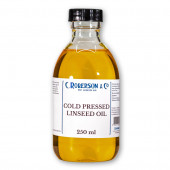
Roberson Cold Pressed Linseed Oil
Starting at: £6.60
Linseed Oil is derived from flax seeds, and appears on our shelves in many guises: Cold Pressed, Refined, Stand Oil, and as a key ingredient in many mediums. It has been appreciated for its drying properties since the Medieval period, and has become the most popular oil used in painting today due to the strong, flexible and glossy film that it creates. Cold Pressed Linseed Oil is ideal for the grinding of pigment to make oil paints. The process of producing Cold Pressed Linseed Oil results in a lower yield, but the resultant oil is of a superior quality to oil that has been extracted by other methods, creating a paint film that is more resistant to embrittlement on aging. Its slight yellow colour is caused by the high concentration of linolenic acid, the presence of which provides durability to the paint film. The amount of oil that each pigment requires can vary enormously. Alizarin Crimson, for example, requires a high percentage of oil compared to most other colours. We would always recommend mulling the pigment and oil together thoroughly to create a "short" or buttery paste, with evenly dispersed, well-coated pigment particles. This process contributes to the strength and flexibility of the paint film, and prevents the inclusion of excess oil. Origin: USA Learn More -

Lefranc Clear Matt Picture Varnish (LIMITED STOCK)
Starting at: £10.80
Beeswax/Damar resin/rectified turpentine. Dries well and gives perfect transparency and mattness. Flexible with little tendency to yellow. Learn More -
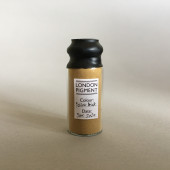
Georgian Yellow Brick Pigment
£12.00Call to Order
This warm earthy yellow is made from yellow bricks the quintessential London ‘stock brick’ which was in use during the 18th and 19th centuries. This pigment has a medium grain size and is transparent. Learn More
-
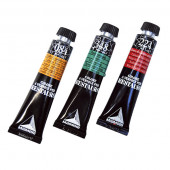
Maimeri Restoration Colours
Starting at: £15.75
Call to Order
33 colours for restoration. Pigments, mastic resin and turpentine. Learn More -
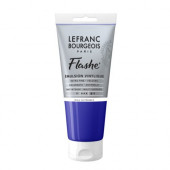
Lefranc Flashe 80 ml
Starting at: £8.65
Call to Order
Flash vinyl colours, like resin-based acrylic paints, can be diluted with water, dry very quickly and become insoluble once dry providing lasting flexibility and excellent preservation. They have an even matt finish which recalls primitive Italian fresco painting. This makes Flashe the ideal medium for all artworks to be photographed. Also popular for illustration, graphics, comics, model making, fresco and interior mural decoration. Learn More -
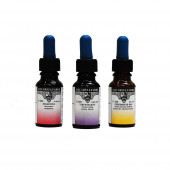
Rohrer & Klingner Liquid Watercolour Inks
Starting at: £9.10
Call to Order
Liquid Watercolour (series 27). 18 shades of highly concentrated organic pigment in a light acrylic base. Low dosage of the binder allows dried colour to be dissolved up to 24 hours after application. Colours retain their strength when diluted with water, Drying Retarder or Gloss Intensifier mediums. Undiluted applications may bronze when dry. Learn More -
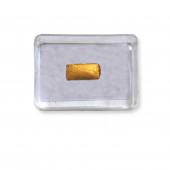
Shell Gold Watercolour 1/4 pan Yellow 23.5 Carat
£40.01Call to Order
Shell gold, so named because it was historically made and stored in a shallow shell such as a mussel shell, consists of finely powdered genuine gold mixed with a variety of gums. It is mixed with a bit of water and applied in the same way as watercolour. After drying for an hour or so, it can be burnished to a soft, beautiful lustre using an agate stone burnishing tool.
Our Shell gold is used by calligraphers, framers, restorers, iconographers and watercolour artists.
In recent years our colour range of genuine gold has been extended and genuine Lapis Lazuli and genuine Malachite have also been added. Learn More -
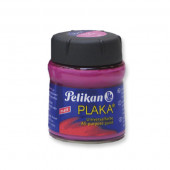
Pelikan Plaka 50 ml
Starting at: £5.50
Call to Order
Adheres to most porous surfaces. For use on rigid surfaces only. Some colours can be used when gilding to imitate traditional clay colours. While stocks last. Learn More -
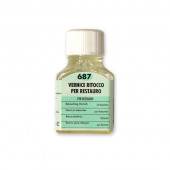
Maimeri Retouching Varnish for Restoration 75 ml
£7.95Call to Order
Very fast drying, light varnish for retouching and restoration. Moderately shiny, does not yellow (Ketonic resin 22% and White Spirit). Learn More -
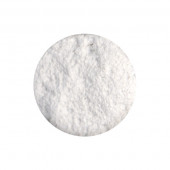
Flake White Pigment
Starting at: £18.76
Call to Order
PW1
Flake White Pigment, sometimes referred to as Lead White or Cremnitz White, is an artificial mineral pigment, lead carbonate. It is no longer available as a paint, due to its extreme toxicity. For this reason, great care must be taken when handling the dry pigment.
It is not usuable in water-based media, but works well in oils. It creates a flexible paint film that dries quickly. Although opaque, small quantities do not dominate mixtures, and can help slow-drying pigments to dry. For this reason, it has been a popular mixing white historically; in fact, until the mid-19th century, Flake White was the only white pigment available to artists. Although varnishing is generally considered optional for oil paintings, it is recommended for works containing Flake White, as contact with sulphur in the atmosphere can cause it to blacken. It creates a warm white, which can yellow over time when mixed with linseed oil.
Toxicity: D
Permitted uses: Restoration of art works and protected buildings when alternatives unsuitable.
Learn More -
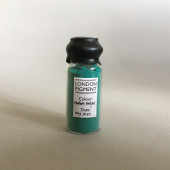
Mud Lark Verdigris Pigment
£18.00Call to Order
Made to a historical recipe, this Verdigris is made from Victorian copper scraps from the foreshore of the Thames in Tilbury, London and reacted with vinegar. This rich green is a translucent pigment with a fine grain. Learn More
Shopping Options
- Category
-
- Pigments, Gums & Resins (39)
- Oils & Acrylics (65)
- Canvas & Supports (1)
- Watercolour (22)
- Pastels (9)
- Drawing / Calligraphy (27)
- Gilding & Restoration (15)
- Printmaking (14)
- Paper (1)
- Studio (8)
- Specialist Decorating (7)
- Manufacturer
-
- ArtGraf (1)
- Charbonnel (4)
- Cornelissen (49)
- Daler-Rowney (8)
- Daniel Smith (3)
- Faber-Castell (4)
- Gamblin (4)
- Golden (7)
- Kölner (2)
- Lascaux (3)
- Lefranc et Bourgeois (9)
- Liquitex (3)
- London Pigment (4)
- Maimeri (3)
- Michael Harding (4)
- Milliput (1)
- Pelikan (2)
- Pilot (1)
- Rembrandt (1)
- Roberson (21)
- Rohrer and Klingner (5)
- Schmincke (24)
- Spectrum (3)
- Stabilo (2)
- Unison (2)
- Winsor&Newton (18)
- Sennelier (4)
You have no items in your shopping basket.

- Search Brands
-