

Your search 'boards of oils' did not match any products.
Showing results using some of your search terms 'boards of oils'
Search results for 'of oils'


-
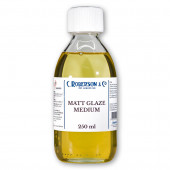
Roberson Matt Glaze Medium
Starting at: £8.50
Mix with tube oils or pigment to improve flow and translucency, resulting in a satin finish. Contains silica driers. May darken if cap is left off bottle; if this happens, replace the lid and leave overnight to restore the colour with no lasting ill effects.
Learn More -
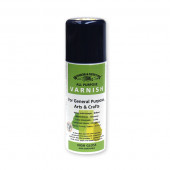
Winsor & Newton All Purpose Varnish Aerosol
Starting at: £16.10
Provides clear, non-removable protection of craftwork. Suitable for a variety of surfaces (wood, metal, paper, modelling materials). Contains: Acrylic resin. High Gloss or Matt. Unable to send overseas. Learn More -
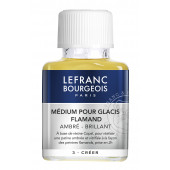
Lefranc Flemish Glazing Medium
Starting at: £9.10
Lefranc Bourgeois are a paint manufacturer with a long history of supplying to artists since their beginnings in 1720.
From their website: The Flemish glazing medium enables artists to create glossy amber finishes in the style of the Flemish masters. It creates a transparent look. It also greatly enhances the brilliance of the oil. After half a day’s work, the colours can be layered over each other.
Learn More -
Roberson Artists' Oil Colour 40 ml
Starting at: £7.20
Unlike other commercially available oil paints, Roberson Artists' Oil Colours do not contain any fillers, extenders or stabilisers. Each paint consists solely of high-quality pigment that has been ground into cold pressed linseed oil, resulting in a highly pigmented paint. This strength of colour presents the possibility of greater economy of use and a less homogenised texture between each tube, instead allowing the unique qualities of each individual pigment to reveal themselves. By limiting our range to 59 shades, we dispense with colours that can be easily mixed, creating a focussed palette of intense, lightfast paints that offer limitless combinations.
Available in 40ml and 225ml tubes
Learn More -
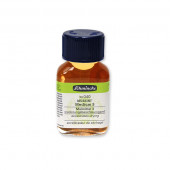
Schmincke Mussini Oil Medium 3
Starting at: £7.95
Highly siccative painting medium. Dries on the palette with 40 minutes. Use sparingly to prevent gloss.
From the Schmincke website:
Medium for oil colours rich in resin (“lean”). Accelerates drying; increases gloss and depth; makes the colour layers more resistant. Close immediately after use. Dosage: 10% to 20%.
Contains: aldehyde resin, mineral spirit, siccative, stand oil.
Learn More -
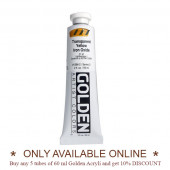
Golden Heavy Body Acrylic 60ml
Starting at: £9.60
The first acrylic colors offered by Golden Acrylic, Heavy Body paints are known for their exceptionally smooth, buttery consistency. The Heavy Body palette includes the largest assortment of unique pure pigments in a 100% acrylic emulsion available to professional artists. These colours offer excellent permanency and lightfastness. There are no fillers, extenders, opacifiers, toners, or dyes added. MULTI-BUY DISCOUNT Buy any five tubes of 60ml Golden Acrylic Heavy and get 10% discount. *Please note, this range is stored offsite. Please allow extra time for your order to be processed and dispatched. Learn More -
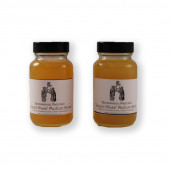
Liquid Glass Mediums
Starting at: £19.50
Renaissance Materials by Dr. David Cranswick.
A thick glazing medium of the 'Old Masters'. Liquid Glass Mediums facilitate building up layers of transparent glaze. Gloss or Satin.
Contains: Damar resin, linseed oil and beeswax (for Satin medium only)
Learn More -
Lascaux Studio Bronze Colours 250ml
Starting at: £29.60
Lascaux Studio Bronze Original is a range of brilliant bronze colours made from pure, non-oxidizing metallic bronze for use in design, decoration and architecture. *Please note, this range is stored offsite. Please allow extra time for your order to be processed and dispatched. Learn More -
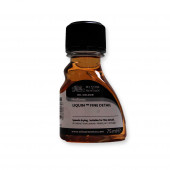
Winsor & Newton Liquin Fine Detail
Starting at: £8.05
From the Winsor & Newton website: The most fluid of the Liquin family of products, this quick drying, gloss medium is ideal for fine details, glazing and blending, or to produce a smooth surface picture. Speeds drying (touch dry in 1-6 days depending on colour and film thickness).Resists yellowing. Not suitable as a varnish or final coat.
Learn More -
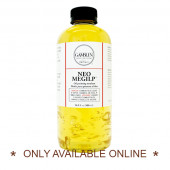
Gamblin Neo-Meglip Medium
Starting at: £11.00
Neo-Meglip Medium is produced by Gamblin. They say:
"Neo Megilp is a contemporary version of Maroger. This soft gel medium maintains the body of oil colours, increases transparency and flow, and imparts a smooth, silky feel. Neo Megilp dries at a moderate rate and remains workable for hours. Neo Megilp gives colours a satin gloss."
Learn More -

Roberson Canada Balsam Medium
Starting at: £21.30
A high quality painting medium which will produce a deep glow, made from Canada Balsam and Turpentine. Especially effective with transparent oil colours, it is recommended as the medium of choice in the final stages of an oil painting. Learn More -
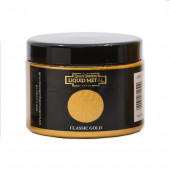
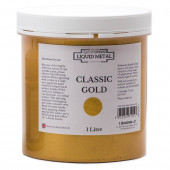
Roberson Liquid Metal 500ml
Starting at: £30.00
Roberson Liquid Metals have a rich deep colour, ideal for a wide range of applications including plaster, wood, paper & canvas. The Liquid Metal range does not tarnish and does not need to be varnished. All colours are intermixable and water wash up. Learn More -
Daler-Rowney Cryla 75ml
Starting at: £8.30
Cryla Artists' Heavy Body colours are designed to retain the intended stroke when applied with a knife or brush, so they are ideal for highly textured impasto painting techniques. Learn More -
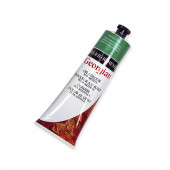
Daler-Rowney Georgian Oil Colour 225 ml
Starting at: £13.75
Georgian Oil colour offers artists high performance at an economical and uniform price across all colours in the range. All 55 colours have fine working qualities and a high degree of performance. Learn More -
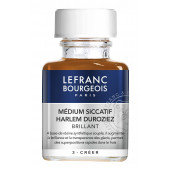
Lefranc Harlem Duroziez Drying Medium
Starting at: £9.10
Lefranc Bourgeois are a paint manufacturer with a long history of supplying to artists since their beginnings in 1720.
From their website: The Harlem Duroziez drying medium increases the brilliance and transparency of glazes. It enables the build-up of layers over the course of half a day thanks to the rapid drying effect of thin layers. It is completely dry within three days.
Learn More -
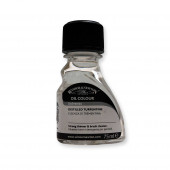
Winsor & Newton Distilled Turpentine
Starting at: £6.05
From the Winsor & Newton website: A fast evaporating, highly refined essential oil with the strongest thinning and brush cleaning power of all Artists' grade solvents. Suitable for removing varnish (including Dammar Varnish).Keep tightly closed and away from light to prevent oxidation. Do not use if it has thickened. Learn More -
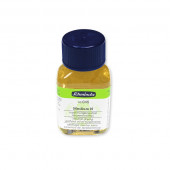
Schmincke Oil Medium N
Starting at: £8.05
This product does not contain turpentine, and can therefore be suitable for artists with allergies.
From the Schmincke website:
A neutral, nearly non-yellowing, painting and thinning medium for oil colours. Suitable for all painting techniques except for early layers on absorbent undergrounds (not lean enough); has a low impact on drying time. For dilution, use terpin (max. 30%). Dosage: 10 to max. 20%. Contains: alkyd and acrylic resin, mineral spirit.
Learn More -
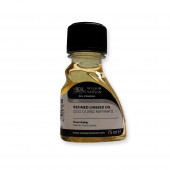
Winsor & Newton Refined Linseed Oil
Starting at: £6.05
From the Winsor & Newton website: Our most popular oil. A low viscosity alkali refined oil of pale colour that dries slowly. Reduces oil colour consistency. Increases gloss and transparency. Add to other oils to slow drying. Learn More -
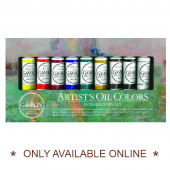
Gamblin Introductory Set
£104.70The Gamblin Introductory Set of Artists' Oil Colours is intended to give painters a thoughtfully constructed palette of colours to support any style of painting. The set is built around a primed, ready to use painting panel handcrafted in the US from sustainably grown birch. *Please note, this product is stored offsite. Please allow extra time for your order to be processed and dispatched. Learn More -
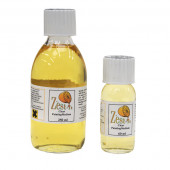
Zest-it Oil Painting Medium
Starting at: £6.90
Zest-It Oil Painting Medium improves the flow of oil paint and reduces brush strokes. It is suitable for wet-on-wet techniques, especially suitable for blending and glazing without using varnish. Learn More -
-

Roberson Studio Safe Solvent
Starting at: £9.80
A highly efficient and safer solvent for oil paint. Studio Safe is non-aromatic and non-flammable and has a pleasant orange smell. Use for brush cleaning and the thinning of paint and as an alternative to traditional turpentine and white spirit.
Learn More -
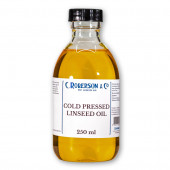
Roberson Cold Pressed Linseed Oil
Starting at: £6.60
Linseed Oil is derived from flax seeds, and appears on our shelves in many guises: Cold Pressed, Refined, Stand Oil, and as a key ingredient in many mediums. It has been appreciated for its drying properties since the Medieval period, and has become the most popular oil used in painting today due to the strong, flexible and glossy film that it creates. Cold Pressed Linseed Oil is ideal for the grinding of pigment to make oil paints. The process of producing Cold Pressed Linseed Oil results in a lower yield, but the resultant oil is of a superior quality to oil that has been extracted by other methods, creating a paint film that is more resistant to embrittlement on aging. Its slight yellow colour is caused by the high concentration of linolenic acid, the presence of which provides durability to the paint film. The amount of oil that each pigment requires can vary enormously. Alizarin Crimson, for example, requires a high percentage of oil compared to most other colours. We would always recommend mulling the pigment and oil together thoroughly to create a "short" or buttery paste, with evenly dispersed, well-coated pigment particles. This process contributes to the strength and flexibility of the paint film, and prevents the inclusion of excess oil. Origin: USA Learn More -
Schmincke Malbutter Oil Medium
Starting at: £7.00
A gel medium that increases the buttery character of oil colours and decreases their drying time. Useful for impasto techniques and knife application. Add to oils in a maximum ratio of 1:4. Contains alkyd resin.
Learn More -
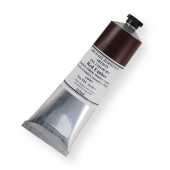
Michael Harding Artists' Oil Colour 225 ml
Starting at: £26.30
Michael Harding Artists’ Oil Colours are formulated to the highest possible standards. They do not include any fillers, extenders or driers and the high pigment content of the paint ensures a greater resistance to fading. Our selection of 225ml size includes colours from series 1,2 and 3. Please contact us for ordering colours from series 4.5,6, and 7. Learn More -
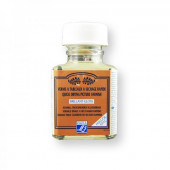
Lefranc Quick Drying Picture Varnish (LIMITED STOCK)
Regular Price: £6.40
Special Price £3.60
Consisting of a high covering resin and special solvent, this varnish dried rapidly with a strong gloss. It can be quickly applied and tackiness disappears quickly. Learn More -

Lefranc Impasto Medium
Starting at: £16.80
Lefranc Bourgeois are a paint manufacturer with a long history of supplying to artists since their beginnings in 1720.
From their website: The impasto medium is a dense texture paste. It contains highly malleable mastic which enables artists to thicken the paint and create hard impastos. The brush strokes become more defined and hold a crisp relief over time. It can be combined with Flemish medium to create more dramatic impastos.
Learn More -

Roberson Matt Medium
Starting at: £37.70
Roberson's Matt Medium creates a dead-flat finish when mixed with oil colour. It aids the flow and increases the artist's control of oil paint, allowing for smooth application flat brush marks with low edges. It can be mixed with oil paint in any ratio. Learn More -
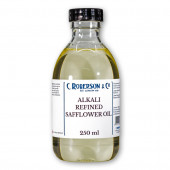
Roberson Safflower Oil
Starting at: £6.40
Safflower Oil is light-coloured, making it suitable for grinding pale pigments. It is still sometimes used as a binder for commercially available paints, although due to its very slow drying time it is best reserved for the final layers of a painting. Compared to Linseed oil, Safflower Oil will give a matte finish.
Learn More -

Liquitex Heavy Body 138ml
Starting at: £15.25
A range of artists quality acrylics which are durable, permanent and do not yellow with age. Heavy Body colour has a thick, buttery consistency and oil-like performance. Learn More
Shopping Options
- Category
-
- Pigments, Gums & Resins (80)
- Oils & Acrylics (119)
- Canvas & Supports (2)
- Watercolour (1)
- Pastels (2)
- Drawing / Calligraphy (4)
- Gilding & Restoration (18)
- Printmaking (13)
- Brushes (15)
- Paper (2)
- Studio (5)
- Specialist Decorating (1)
- Manufacturer
-
- Charbonnel (2)
- Cornelissen (102)
- Creta (1)
- Da Vinci (4)
- Daler-Rowney (5)
- Faber-Castell (1)
- Fabriano (2)
- Gamblin (15)
- Golden (7)
- Kölner (1)
- Lascaux (6)
- Lefranc et Bourgeois (15)
- Liquitex (7)
- London Pigment (1)
- Michael Harding (4)
- Omega (5)
- Pro Arte (2)
- Roberson (25)
- Schmincke (18)
- Spectrum (5)
- Winsor&Newton (10)
- Zest-It (1)
- Sennelier (2)
You have no items in your shopping basket.

- Search Brands
-