Your search 'magic colour acrylic inks' did not match any products.
Showing results using some of your search terms 'magic colour acrylic inks'
Search results for 'colour acrylic inks'
-
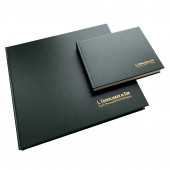
Cornelissen Saunders Waterford WC Books
Starting at: £15.00
Cornelissen Saunders Waterford Watercolour hardback books are available in two sizes: 12 x 17cm and 28 x 35 cm. Each size is available in HP (Hot Pressed) and NOT (Cold Pressed) and contain 30 sheets including end papers / 58 pages. Saunders Waterford paper is 300 gsm mould made, 100% cotton, chlorine and acid free, guaranteeing conservation and inalterability over time. The paper is Gelatine tub sized and calcium carbonate buffered, making it ideally absorbent and retaining its nature unaltered even if scratched. Ideal for watercolour, tempera, gouache, acrylic, ink, charcoal, graphite and drawing. Thread bound and branded L. Cornelissen & Son in stamp gold foil.
Learn More -
Prussian Blue Pigment
Starting at: £5.20
PB27
Prussian Blue is a synthetic organic pigment that was discovered by the paint maker Diesbach, apparently by accident, in Germany in the early eighteenth century. For many years, it was used not only as a colour in its own right, but also as a component of the original Hooker's Green. The other ingredient, gamboge, is highly fugitive, which is why many watercolours painted with Hooker's green have taken on a bluish tone with with age.
It is a very transparent and heavily staining colour. It dries quite quickly in oil, and can therefore wrinkly if applied too quickly. It is suitable for use in oils, watercolour, and egg tempera. However, it shouldn't be used in conjunction with alkali substances, such as Lead White or Calcium Carbonate as it can turn brown, so it isn't suitable for fresco. For the same reason, it isn't used with acrylic resin binders due to their alkaline nature, so most paint manufacturers will replace Prussian Blue with a mixture of Phthalo Blue and black in their acrylic ranges. It requires a wetting agent to fully disperse into a binder.
Toxicity: B
Learn More