

Search results for 'palette'
13 Item(s)
Grid List

-
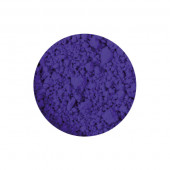
Ultramarine Blue Dark Pigment
Starting at: £4.00
PB29
Ultramarine Blue Dark is an artificial mineral pigment that is produced by heating clay, soda, sulphur and coal to high temperatures. Its name comes from outremer, or over-the-sea, as a reference to the highly-prized Lapis Lazuli pigment which had been imported into Europe from Afghanistan since the Middle Ages. First manufactured in France and Germany in 1828, synthetic Ultramarine provided a brilliant and affordable blue to artists, and it remains one of the most popular blues on artists' palettes today.
It is a transparent pigment, with a high tinting strength and excellent lightfastness. It reacts to alkali, therefore it is not suitable for use in lime-fresco; we do offer a Limeproof Ultramarine Blue for this purpose. It is stable in all other media, although it can be tricky to grind in oil. Instead of creating a thick, buttery paste, it can remain stringy and deteriorate when stored in a tube. To correct this, many commercial paint manufacturers include additives and waxes in their recipes; if you intend on grinding your own paint, you could try replacing 10-15% of your Linseed Oil with Poppy Oil to improve the consistency. Ultramine Blue provides a slow-drying, fairly hard paint film, which can tend towards brittleness.
Toxicity: B
Learn More -
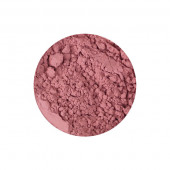
Potters Pink Pigment
Starting at: £7.30
PR233
Potter's Pink is an artificial mineral pigment produced by roasting tin oxide with various other oxides. It was first discovered in the pottery region of Staffordshire in the late-1700s, and in the following century Winsor & Newton introduced Potter's Pink into their watercolour range under the name "pink colour". It went on to become a popular addition to watercolour palettes, offering an opaque, lightfast colour with a weak tinting strength and a medium level of oil absorption.
Toxicity A
Learn More -
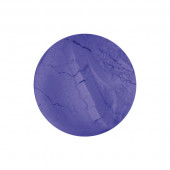
Lapis Lazuli Dark Pigment
Starting at: £12.20
PB29
Lapis Lazuli is a natural mineral pigment, mined in Afghanistan and South America. Different shades of Lapis Lazuli are determined by the intensity of colour of the lazurite vein; we offer the pigment in light and dark. For many centuries it was the most reliable blue pigment available, and became particularly significant during the Medieval and Renaissance periods, when its inclusion in a work of art denoted the wealth and status of the patron, or the holiness of a painting's subject. In commercial paint production it has largely been replaced by the more affordable Ultramarine Blue, although it still has a place on modern palettes due to its unique soft violet tone. It is a transparant pigment, with a low tinting strength.
Larger quantities are available by request.
Learn More -
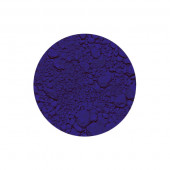
Ultramarine Blue Light Pigment
Starting at: £5.30
PB29
Ultramarine Blue Light is an artificial mineral pigment that is produced by heating clay, soda, sulphur and coal to high temperatures. Its name comes from outremer, or over-the-sea, as a reference to the highly-prized Lapis Lazuli pigment which had been imported into Europe from Afghanistan since the Middle Ages. First manufactured in France and Germany in 1828, synthetic Ultramarine provided a brilliant and affordable blue to artists, and it remains one of the most popular blues on artists' palettes today.
It is a transparent pigment, with a high tinting strength and excellent lightfastness. It reacts to alkali, therefore it is not suitable for use in lime-fresco; we do offer a Limeproof Ultramarine Blue for this purpose. It is stable in all other media, although it can be tricky to grind in oil. Instead of creating a thick, buttery paste, it can remain stringy and deteriorate when stored in a tube. To correct this, many commercial paint manufacturers include additives and waxes in their recipes; if you intend on grinding your own paint, you could try replacing 10-15% of your Linseed Oil with Poppy Oil to improve the consistency. Ultramine Blue provides a slow-drying, fairly hard paint film, which can tend towards brittleness.
Toxicity B
Learn More -
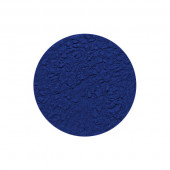
Ultramarine PB29 Pigment
Starting at: £9.10
PB29
Ultramarine Blue is an artificial mineral pigment that is produced by heating clay, soda, sulphur and coal to high temperatures. Its name comes from outremer, or over-the-sea, as a reference to the highly-prized Lapis Lazuli pigment which had been imported into Europe from Afghanistan since the Middle Ages. First manufactured in France and Germany in 1828, synthetic Ultramarine provided a brilliant and affordable blue to artists, and it remains one of the most popular blues on artists' palettes today.
It is a transparent pigment, with a high tinting strength and excellent lightfastness. It reacts to alkali, therefore it is not suitable for use in lime-fresco; we do offer a Limeproof Ultramarine Blue for this purpose. It is stable in all other media, although it can be tricky to grind in oil. Instead of creating a thick, buttery paste, it can remain stringy and deteriorate when stored in a tube. To correct this, many commercial paint manufacturers include additives and waxes in their recipes; if you intend on grinding your own paint, you could try replacing 10-15% of your Linseed Oil with Poppy Oil to improve the consistency. Ultramine Blue provides a slow-drying, fairly hard paint film, which can tend towards brittleness.
Toxicity: B/C
Learn More -
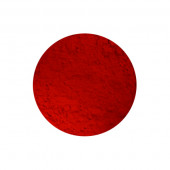
Cinnabar Pigment
Starting at: £16.00
PR106
Cinnabar, composed of mercuric sulphide, is a mineral pigment found in crusts or veins in sites of volcanic activity. It has good tinting strength and opacity but, like many red pigments, it dries very slowly in oil media. Due to its high toxicity, it is no longer an ingredient in commercial paints, but is a prominent colour in historical palettes.
Generally, Cinnabar refers to the natural mineral, while Vermilion refers to the synthetic pigment. Cinnabar has been mined since at least the tenth millennium BC, and used as a painting material, gemstone, and ritual object by many cultures around the globe.
Larger sizes available on request.
Learn More -
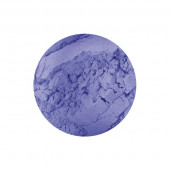
Lapis Lazuli Light Pigment
Starting at: £10.20
PB29
Lapis Lazuli is a natural mineral pigment, mined in Afghanistan and South America. Different shades of Lapis Lazuli are determined by the intensity of colour of the lazurite vein; we offer the pigment in light and dark. For many centuries it was the most reliable blue pigment available, and became particularly significant during the Medieval and Renaissance periods, when its inclusion in a work of art denoted the wealth and status of the patron, or the holiness of a painting's subject. In commercial paint production it has largely been replaced by the more affordable Ultramarine Blue, although it still has a place on modern palettes due to its unique soft violet tone. It is a transparant pigment, with a low tinting strength.
Larger quantities are available by request.
Learn More -
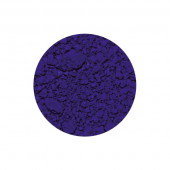
Ultramarine Blue Limewash Pigment
Starting at: £6.30
PB29
Ultramarine Blue Limewash is an artificial mineral pigment that is produced by heating clay, soda, sulphur and coal to high temperatures. Its name comes from outremer, or over-the-sea, as a reference to the highly-prized Lapis Lazuli pigment which had been imported into Europe from Afghanistan since the Middle Ages. First manufactured in France and Germany in 1828, synthetic Ultramarine provided a brilliant and affordable blue to artists, and it remains one of the most popular blues on artists' palettes today.
It is a transparent pigment, with a high tinting strength and excellent lightfastness. Most Ultramarine colours It react to alkali and are therefore unsuitable for use in lime-fresco; Limeproof Ultramarine Blue remedies this problem. It is stable in all other media, although it can be tricky to grind in oil. Instead of creating a thick, buttery paste, it can remain stringy and deteriorate when stored in a tube. To correct this, many commercial paint manufacturers include additives and waxes in their recipes; if you intend on grinding your own paint, you could try replacing 10-15% of your Linseed Oil with Poppy Oil to improve the consistency. Ultramine Blue provides a slow-drying, fairly hard paint film, which can tend towards brittleness.
Toxicity: B
Learn More -
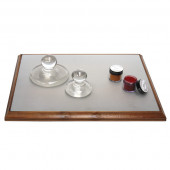
Mixing Slab
Starting at: £19.95
A glass slab with wooden cradle for the grinding of pigments.
The friction created between the sand-blasted surfaces of the glass slab and muller facilitates the thorough mixing of pigment and medium, creating a consistent and strong paint body. This slab can be used to manufacture many types of paint including watercolours, egg tempera and oils.
Mulling is of particular importance when making oil paint; simply mixing pigment and oil together using a palette knife will result in an unstable substance with poor plasticity, which contains a large amount of excess oil and unevenly distributed pigment particles. Thorough mulling in a figure-of-eight motion will enable the pigment to be fully combined into the binder, strengthening the resultant paint film.
PLEASE NOTE: This item is in stock but it is a call to order item due to the fact that we cannot guarantee its safe delivery, however well we package it. Please ring us to discuss your delivery options.
Learn More -
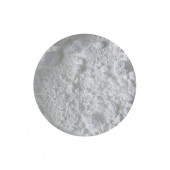
Zinc White Pigment
Starting at: £4.00
Zinc White, or Zinc Oxide, is an artificial mineral pigment that was first produced in France in the late 18th century. Its use in commercial watercolours as Chinese White pre-dates its inclusion in oil painting. It is a semi-opaque, lightfast pigment, which dries very slowly in oil. Of all white pigments, it produces the most brittle paint film, so is not recommended in large quantities for impasto techniques. However, it is a good addition to a palette which requires a less overwhelming white than Titanium White.
Toxicity: B
Learn More -
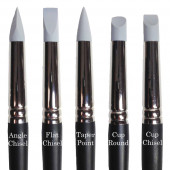
Colour Shapers
Starting at: £6.15
Unique silicone tipped tools for painting heavy mediums such as acrylic and oil paint. Excellent for spreading adhesives and appplying masking fluid. Can be used with Batik and encaustic wax. Available in soft ivory tip and firm grey tip. Learn More -
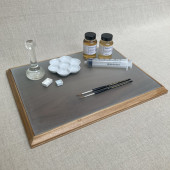
Watercolour paint making set
Starting at: £0.40
A collection of equipment and ingredients useful for making watercolour by hand. This selection of quality materials has been put together for the begginer and intermediate paint maker alike. This set includes:
Equipment to mix the paint and fill watercolour pans:
Glass slab with hardwood stand
Cornelissen small muller
Small (half pan) and large (full pan) watercolour pan
Ingredients to make the watercolour binder :
Roberson Gum Arabic
Roberson Ox Gall
Equipment for painting:
Cornelissen 80a sables brushes in sizes 3 & 6
cermaic palette in flower shape
Learn More -
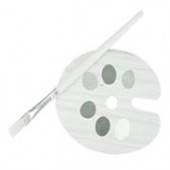
Glass Slab 23 x 33cm (10mm thick)
£29.50Call to Order
Glass Slab 23 x 33cm (10mm thick)
The friction created between the sand-blasted surfaces of the glass slab and muller facilitates the thorough mixing of pigment and medium, creating a consistent and strong paint body. This slab can be used to manufacture many types of paint including watercolours, egg tempera and oils.
Mulling is of particular importance when making oil paint; simply mixing pigment and oil together using a palette knife will result in an unstable substance with poor plasticity, which contains a large amount of excess oil and unevenly distributed pigment particles. Thorough mulling in a figure-of-eight motion will enable the pigment to be fully combined into the binder, strengthening the resultant paint film.
PLEASE NOTE: This item is in stock but it is a call to order item due to the fact that we cannot guarantee its safe delivery, however well we package it. Please ring us to discuss your delivery options.
Learn More
13 Item(s)
Grid List
Currently Shopping by:
- Manufacturer: Cornelissen Remove This Item
Shopping Options
- Category
-
- Pigments, Gums & Resins (11)
- Brushes (1)
- Studio (1)
You have no items in your shopping basket.

- Search Brands
-