

Search results for 'Red pigments'


-
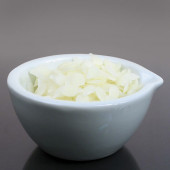
Bleached Beeswax
Starting at: £12.30
Beeswax is derived from melted honeycomb, and is available in two grades. Bleached Beeswax Pellets are white, having been bleached by the sun, and are an appropriate choice for using with pale colours, although they may revert to yellow over time. Natural Beeswax Pellets are yellow in colour, and offer a more flexible structure with a higher resin content. Beeswax has a melting point of 63-66°c, and may turn brown if over-heated. It is the most widely used wax in artists' materials, having a wide range of applications. Please see below for more details.
Learn More -
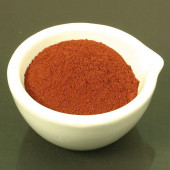
Dragon's Blood Powder
Starting at: £28.10
Dragon's Blood is a natural, resin, mentioned by Pliny in his Natural History. It has a weak tinting strength, and its rich red-colour can be fugitive in direct sunlight. It is fully soluble in alcohol, and can be used to add a warm, transparent tone to spirit varnishes. Also available in lump form.
Learn More -
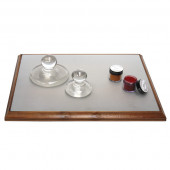
Mixing Slab
Starting at: £19.95
A glass slab with wooden cradle for the grinding of pigments.
The friction created between the sand-blasted surfaces of the glass slab and muller facilitates the thorough mixing of pigment and medium, creating a consistent and strong paint body. This slab can be used to manufacture many types of paint including watercolours, egg tempera and oils.
Mulling is of particular importance when making oil paint; simply mixing pigment and oil together using a palette knife will result in an unstable substance with poor plasticity, which contains a large amount of excess oil and unevenly distributed pigment particles. Thorough mulling in a figure-of-eight motion will enable the pigment to be fully combined into the binder, strengthening the resultant paint film.
PLEASE NOTE: This item is in stock but it is a call to order item due to the fact that we cannot guarantee its safe delivery, however well we package it. Please ring us to discuss your delivery options.
Learn More -

Colophony
Starting at: £7.30
Colophony is a by-product of the distillation of turpentine. It is soluble in most solvents, but considered an adulterant in varnishes and paints, as it forms a weak surface that is prone to darkening and cracking. It is, however, a key ingredient in wax-based etching grounds, imparting hardness, and can be used in powdered form (rosin) to make aquatints. Learn More -
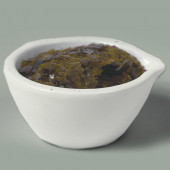
Clear Dewaxed Shellac
Starting at: £9.20
Shellac is a natural resin that is deposited by the female lac insect on the branches of trees in India and Thailand. It is soluble with alcohol, but not with mineral spirits or turpentine. It forms a tough yet flexible film, with many applications. It is suitable as a top coat for gilding when applied thinly, a sealant for porous surfaces, an isolating layer for tempera paintings, a base for pigmented inks, a protective layer for collograph plates, and a warm varnish for wooden floors and furniture. As it is prone to darkening with age, it is not recommended as a varnish for oils, and its solubility can reduce over time. There are various grades of shellac. When mixed with alcohol, it may initially form a cloudy mixture, due to traces of wax in the shellac, but this should become clear once it has dried. The highest grades of shellac are Clear Dewaxed Shellac, which has been de-coloured using the carbon filtering method, Lemon Shellac, and Orange Shellac, which are pale in colour. Button Shellac is less refined and therefore produces a reddish varnish. It was, in fact, widely used as a red dye before synthetic dyes became available. Learn More -
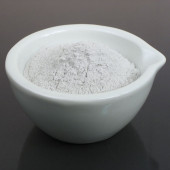
Pumice Powder
Starting at: £5.70
Volcanic rock in powdered form. Used to provide tooth to grounds. Learn More -
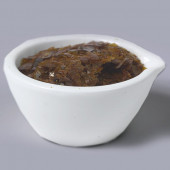
Lemon Shellac
Starting at: £8.20
Shellac is a natural resin that is deposited by the female lac insect on the branches of trees in India and Thailand. It is soluble with alcohol, but not with mineral spirits or turpentine. It forms a tough yet flexible film, with many applications. It is suitable as a top coat for gilding when applied thinly, a sealant for porous surfaces, an isolating layer for tempera paintings, a base for pigmented inks, a protective layer for collograph plates, and a warm varnish for wooden floors and furniture. As it is prone to darkening with age, it is not recommended as a varnish for oils, and its solubility can reduce over time. There are various grades of shellac. When mixed with alcohol, it may initially form a cloudy mixture, due to traces of wax in the shellac, but this should become clear once it has dried. The highest grades of shellac are Clear Dewaxed Shellac, which has been de-coloured using the carbon filtering method, Lemon Shellac, and Orange Shellac, which are pale in colour. Button Shellac is less refined and therefore produces a reddish varnish. It was, in fact, widely used as a red dye before synthetic dyes became available. Learn More -

Empty Aluminium Tubes
Starting at: £0.90
Empty Aluminium Tubes. Please see delivery information below. Learn More -
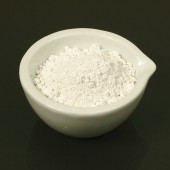
Gypsum
Starting at: £5.70
Gypsum is powdered Calcium Sulphate, a traditional ingredient in gesso grounds used in southern Europe. One of the advantages of preparing your painting surface with gypsum is that it allows for a particularly even absorption of the paint film. It can also be added to acrylic primers to increase absorbency or add tooth to a surface. Learn More -
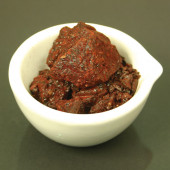
Dragon's Blood Pieces
Starting at: £25.40
Dragon's Blood is a natural, resin, mentioned by Pliny in his Natural History. It has a weak tinting strength, and its rich red colour can be fugitive in direct sunlight. It is fully soluble in alcohol, and can be used to add a warm, transparent tone to spirit varnishes. Also available in powdered form.
Learn More -

Gum Mastic
Starting at: £20.30
Gum Mastic is a tree resin, which dissolves into a clear varnish with alcohol or turpentine, but not with mineral spirits. Mastic varnishes are more prone to blooming and darkening with age than damar-based varnishes, and painting mediums that contain gum mastic can deteriorate in unpredictable ways. For this reason, it is primarily used in restoration, rather than in the production of artwork. Learn More -
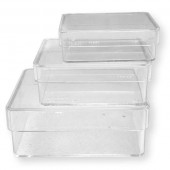
Transparent Containers
Starting at: £1.20
Rigid high quality boxes manufactured in clear Polystyrene. Medium and large sizes are ideal for storing loose nibs. Learn More -
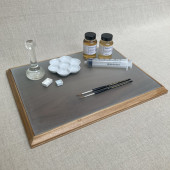
Watercolour paint making set
Starting at: £0.40
A collection of equipment and ingredients useful for making watercolour by hand. This selection of quality materials has been put together for the begginer and intermediate paint maker alike. This set includes:
Equipment to mix the paint and fill watercolour pans:
Glass slab with hardwood stand
Cornelissen small muller
Small (half pan) and large (full pan) watercolour pan
Ingredients to make the watercolour binder :
Roberson Gum Arabic
Roberson Ox Gall
Equipment for painting:
Cornelissen 80a sables brushes in sizes 3 & 6
cermaic palette in flower shape
Learn More -
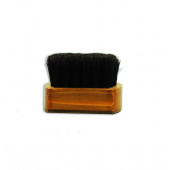
Sosaku Brush 60mm
£14.90Sosaku inking brush for working the pigments and glue paste onto the carved block for printing. These are made from horse hair and are traditionally prepared by splitting and softening the hair on shark-skin or sandpaper before printing. Brushes come in 3 sizes. Learn More -
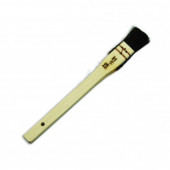
Sosaku Brush 15mm
£6.20Sosaku inking brush for working the pigments and glue paste onto the carved block for printing. These are made from horse hair and are traditionally prepared by splitting and softening the hair on shark-skin or sandpaper before printing. Brushes come in 3 sizes. Learn More -
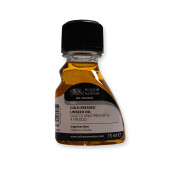
Winsor & Newton Cold Pressed Linseed Oil
Starting at: £8.05
From the Winsor & Newton website: A slightly yellow oil, which is extracted without the use of heat dries slightly quicker than refined linseed oil. Improves flow. Increases gloss & transparency. Reduces consistency and brushstrokes. Ideal for grinding pigments. Learn More -
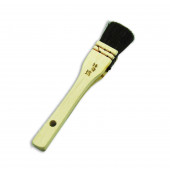
Sosaku Brush 24mm
£11.00Sosaku inking brush for working the pigments and glue paste onto the carved block for printing. These are made from horse hair and are traditionally prepared by splitting and softening the hair on shark-skin or sandpaper before printing. Brushes come in 3 sizes. Learn More -

Cornelissen Walnut Oil
Starting at: £6.50
The introduction of Walnut Oil as a pigment binder is contemporaneous with the emergence of Linseed Oil. Their drying properties have been appreciated since the Middle Ages, and throughout history there is evidence of both oils being used alongside each other within the same painting. In fact, until the sixteenth century, it is believed that Walnut Oil was the preferred binding medium among Italian artists. It is made from mature walnut kernals, offering a pale colour and brilliant gloss. For this reason, it is sometimes chosen as a binder for light colours, as it provides a stronger paint film than Poppy Oil, and faster drying times. However, a paint film made from Walnut Oil will tend to be brittle, so it is more suited to a rigid support rather than canvas.
Learn More -
Flake White Pigment
Starting at: £18.76
Call to Order
PW1
Flake White Pigment, sometimes referred to as Lead White or Cremnitz White, is an artificial mineral pigment, lead carbonate. It is no longer available as a paint, due to its extreme toxicity. For this reason, great care must be taken when handling the dry pigment.
It is not usuable in water-based media, but works well in oils. It creates a flexible paint film that dries quickly. Although opaque, small quantities do not dominate mixtures, and can help slow-drying pigments to dry. For this reason, it has been a popular mixing white historically; in fact, until the mid-19th century, Flake White was the only white pigment available to artists. Although varnishing is generally considered optional for oil paintings, it is recommended for works containing Flake White, as contact with sulphur in the atmosphere can cause it to blacken. It creates a warm white, which can yellow over time when mixed with linseed oil.
Toxicity: D
Permitted uses: Restoration of art works and protected buildings when alternatives unsuitable.
Learn More
Currently Shopping by:
- Manufacturer: Cornelissen Remove This Item
Shopping Options
- Category
-
- Pigments, Gums & Resins (73)
- Oils & Acrylics (2)
- Drawing / Calligraphy (1)
- Gilding & Restoration (6)
- Printmaking (3)
- Studio (1)
You have no items in your shopping basket.

- Search Brands
-