

Search results for 'palettes'


-
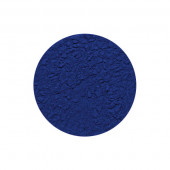
Ultramarine PB29 Pigment
Starting at: £9.10
PB29
Ultramarine Blue is an artificial mineral pigment that is produced by heating clay, soda, sulphur and coal to high temperatures. Its name comes from outremer, or over-the-sea, as a reference to the highly-prized Lapis Lazuli pigment which had been imported into Europe from Afghanistan since the Middle Ages. First manufactured in France and Germany in 1828, synthetic Ultramarine provided a brilliant and affordable blue to artists, and it remains one of the most popular blues on artists' palettes today.
It is a transparent pigment, with a high tinting strength and excellent lightfastness. It reacts to alkali, therefore it is not suitable for use in lime-fresco; we do offer a Limeproof Ultramarine Blue for this purpose. It is stable in all other media, although it can be tricky to grind in oil. Instead of creating a thick, buttery paste, it can remain stringy and deteriorate when stored in a tube. To correct this, many commercial paint manufacturers include additives and waxes in their recipes; if you intend on grinding your own paint, you could try replacing 10-15% of your Linseed Oil with Poppy Oil to improve the consistency. Ultramine Blue provides a slow-drying, fairly hard paint film, which can tend towards brittleness.
Toxicity: B/C
Learn More -
-
-
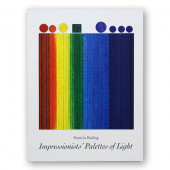
Impressionists' Palettes of Light
£8.65Impressionists' Palettes of Light by Patricia Railing. This little book reproduces palettes by several of the plein-air Impressionist painters, describing the pigments used, and includes short excerpts by the scientists whose work was the foundation of the new painting – on complementary colours, optical mixing, and the pigment-colour correspondence. It closes with colour swatches of the pigments, provided by the London artists’ colourmen, L. Cornelissen & Son. Learn More -
-
Glass Slab 23 x 33cm (10mm thick)
£29.50Call to Order
Glass Slab 23 x 33cm (10mm thick)
The friction created between the sand-blasted surfaces of the glass slab and muller facilitates the thorough mixing of pigment and medium, creating a consistent and strong paint body. This slab can be used to manufacture many types of paint including watercolours, egg tempera and oils.
Mulling is of particular importance when making oil paint; simply mixing pigment and oil together using a palette knife will result in an unstable substance with poor plasticity, which contains a large amount of excess oil and unevenly distributed pigment particles. Thorough mulling in a figure-of-eight motion will enable the pigment to be fully combined into the binder, strengthening the resultant paint film.
PLEASE NOTE: This item is in stock but it is a call to order item due to the fact that we cannot guarantee its safe delivery, however well we package it. Please ring us to discuss your delivery options.
Learn More -
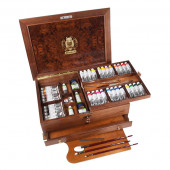
Mussini Luxury Wooden Chest
£2,000.70Call to Order
The Schmincke Mussini Luxury Wooden Chest contains 36 x 35 ml tubes, as well as many accessories, including palette knife, painting knife, palette cups, palette, mediums, charcoal and brushes. Learn More -
-
Ceramic Palette 5 Stackable Dishes
£18.30Call to Order
Ceramic Palette 5 Stackable Dishes Learn More -
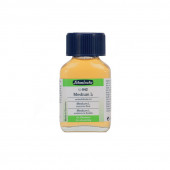
Schmincke Medium L 200ml
£15.00Call to Order
Schmincke Medium L is a jelly-like medium for “soft” painting with oil colours. It improves flow and reduces brush strokes, accelerates drying, increases gloss and transparency. There is no change of the product quality based on the colour change of the raw material alkyd resin. Shake well and stir – if necessary – before use. Close immediately after use.
Contains: alkyd resin, mineral spirit, siccative.
Dosage:10% to 20% maximum.
Thinner: Turpentine substitute
Learn More
Shopping Options
- Category
-
- Pigments, Gums & Resins (12)
- Oils & Acrylics (26)
- Watercolour (18)
- Printmaking (2)
- Brushes (6)
- Studio (6)
- Manufacturer
-
- Cornelissen (13)
- Daniel Smith (2)
- Gamblin (4)
- Golden (4)
- Liquitex (2)
- Roberson (7)
- Schmincke (13)
- Winsor&Newton (1)
You have no items in your shopping basket.

- Search Brands
-